

Anxiety and depression are increasingly recognized as multifaceted mental health issues, particularly in women, where hormonal fluctuations play a significant role.
The interplay between hormonal changes—such as those occurring during the menstrual cycle, pregnancy, postpartum period, and menopause—and psychological well-being is complex and often underestimated.

Women are disproportionately affected by depression and anxiety disorders compared to men. Specifically:
- Depression and anxiety disorders are 2-3 times more common in women than men.
- 1 in 8 women experience depression in their lifetime: twice the rate as men.
- Women are 4 times more likely than men to experience seasonal affective disorder (SAD).
- This gender disparity in depression and anxiety rates emerges after puberty and persists throughout adulthood.
- Millions of women are diagnosed with depression and prescribed antidepressant medications, particularly selective serotonin reuptake inhibitors (SSRIs) like fluoxetine (Prozac), paroxetine (Paxil), and sertraline (Zoloft).
The higher prevalence of these disorders in women is likely due to a complex interplay of biological, hormonal, psychological, and sociocultural factors.
While antidepressants can be effective for many, a comprehensive treatment approach that may include psychotherapy and lifestyle changes is often recommended.

Many women experience mood and behavioral changes associated with various reproductive life stages, including:
- the menstrual cycle
- pregnancy
- postpartum period
- perimenopause
- menopause.
This has led researchers to conclude that the higher depression prevalence in women is due mainly to the wild swings in hormonal releases along with their feedback mechanisms to the brain during the female life cycle.
These female hormonal swings affect the production metabolism, and signaling of key neurotransmitters in the brain, such as:
- Serotonin
- Dopamine
- Norepinephrine
- GABA (Gamma-Aminobutyric-Acid)
Serotonin
Serotonin is the main depression-relieving brain chemical or neurotransmitter. Neurotransmitters are chemicals that transmit messages from nerve cell to nerve cell in the brain and between the brain and the organs of the body.
Adequate brain levels of serotonin are directly associated with:
- Emotional stability
- An inner sense of well-being
- Relaxation
- Promote restful sleep
Low levels of serotonin lead to the many symptoms of depression, which include:
- Chronic despair
- Feelings of regret
- Numbness
- Lack of passion and sex drive
- Chronic fatigue
- Excessive hunger

3 Causes of Low Levels of Serotonin:
- A decrease in serotonin production related to estrogen fluctuations
- Insufficient levels of tryptophan crossing the blood brain barrier
- A depletion of serotonin storage levels
How to Increase Serotonin Naturally
In general, the female body, partly due to lower muscle mass, produces and stores less serotonin than its male counterpart.
This is one important reason why muscle-building exercise is a key component of female wellness.
A regular diet and exercise routine, including a daily protein-based breakfast, has a direct effect on healthy serotonin production.

Most of your serotonin is produced in the early morning, when the first rays of sunshine stimulate the pineal gland, and it converts the amino acid tryptophan into serotonin.
Given these facts, it is vital for females to focus on starting each day with a balanced routine.
During the hours of darkness, the pineal gland is stimulated to produce melatonin (the sleep hormone) from a hopefully adequate supply of serotonin. More than ever, “early to bed, early to rise”, “eat a healthy breakfast” and “get your exercise” are powerful suggestions for those seeking a balanced life.
What to Eat?
Tryptophan is found in certain protein-based foods, including chicken, turkey, pheasant, beef, dairy, nuts, and legumes (beans). One of the richest vegan sources of tryptophan comes from the protein found in the soybean. Always check your soy-based foods to make sure they are non-GMO certified and organic (when possible).
Having a nutritious shake made from organic, fermented vegan or grass-fed whey protein powder will provide the right type and amount of protein needed to produce an ample supply of serotonin.
Adding whole fruit or berries (carbohydrates increase tryptophan uptake in the brain) and a tablespoonful of flaxseed powder to this nutritious shake will satisfy the body’s need for sugar in the form of complex carbohydrates and omega-3 fatty acids.
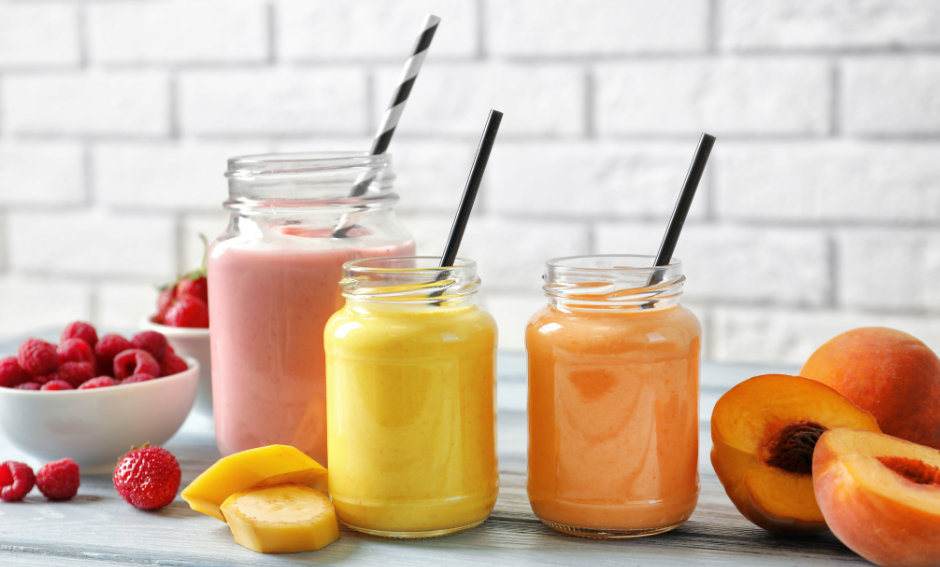
Both are also needed for proper serotonin production. It is advisable to add a good quality alkaline mineral or electrolyte supplement (containing potassium, magnesium), an activated vitamin B complex and vitamin C to ensure that the body has adequate levels for healthy nerve and neurotransmitter formation.
When the body is provided with the proper building blocks of nutrition, serotonin is produced and released by the brain. Some of this serotonin is used up and some of it is reabsorbed within the brain and then converted into other chemicals such as melatonin.
Ongoing serotonin production will adequately maintain serotonin storage levels, if brain chemistry is balanced and the building blocks for serotonin and other neurotransmitters are present.
By using these natural means of producing adequate levels of serotonin each day, a woman can achieve the balanced brain chemistry without pharmaceutical antidepressants required for joyful health and wellness.
Want more tips about holistic health and the latest research? Check out the Holistic Insiders Group. A monthly virtual gathering where you’ll:
- Explore topical health solutions
- Get the latest research on natural health
- Improve your well-being with actionable steps
- Join live and have opportunity to ask RoseMarie questions about the topic

References
https://adaa.org/find-help-for/women/depression Anxiety & Depression Assoc. of America
https://www.womenshealth.gov/mental-health/mental-health-conditions/anxiety-disorders Office on Women’s Health
https://www.ncbi.nlm.nih.gov/books/NBK554406/ NHI, National Library of Medicine
https://www.ncbi.nlm.nih.gov/pmc/articles/PMC4478054/ Why is depression more prevalent in women?
https://www.ncbi.nlm.nih.gov/pmc/articles/PMC9715398/ Sex hormone fluctuation and increased female risk for depression and anxiety disorders, 2022
https://www.ncbi.nlm.nih.gov/pmc/articles/PMC2077351/ How to increase serotonin in the human brain without drugs, 2007
Leave a Reply