

Uric acid, a compound found in our bodies, plays a crucial role beyond just causing gout. Recent research has unveiled its significance in various metabolic processes, shedding light on its impact on overall health.
Let’s delve into the multifaceted nature of uric acid and its implications for our well-being.
Uric Acid Explained
Uric acid is a normal, simple body waste-product excreted by the kidneys. It is a colorless, odourless and tasteless nitrogenous compound that is not very soluble in blood or water.
When uric acid levels raise too high, the uric acid can’t remain dissolved in the bloodstream. Instead, it precipitates into solid, crystals, typically forming in the joints.
These sharp, needle-like uric acid crystals irritate the surrounding tissues, causing inflammation, pain and usually an attack of Gout (an arthritic condition usually found in the joints of the hands and feet).

Understanding Gout
Gout’s impacts extend beyond joint pain and inflammation. If left untreated, gout can cause permanent joint and tissue damage and potentially increase risks for other serious health conditions.
Over the past two decades, extensive research has uncovered links between elevated uric acid levels (hyperuricemia) and several chronic diseases, including:
- Kidney disease and kidney stones
- Hypertension
- Cardiovascular issues like coronary artery disease and stroke
- Metabolic syndrome and diabetes
Prevalence of Gout & Uric Acid
Recent estimates indicate that approximately 1 million Canadians, or 2-4% of the population aged 20 and older, have been diagnosed with gout. However, over 20% have excess uric acid in their blood, with many being asymptomatic and undiagnosed.
Given these widespread associations, elevated uric acid is emerging as a potentially significant risk factor for both metabolic and cardiovascular diseases.
This highlights the importance of monitoring and managing uric acid levels, even in the absence of gout symptoms.
Sources of Elevated Uric Acid
Internal Production
The body naturally produces uric acid as a byproduct of purine metabolism. This occurs during normal cellular turnover and DNA breakdown. In some individuals, genetic factors or certain health conditions can lead to overproduction of uric acid.
Dietary Sources
Consuming foods and beverages high in purines can significantly contribute to uric acid levels.
High-purine foods:
- Organ meats (liver, kidney, brain)
- Red meats and game meats
- Certain seafood (shellfish, sardines, anchovies)
- Alcohol, especially beer and spirits

Other contributing factors:
- Legumes
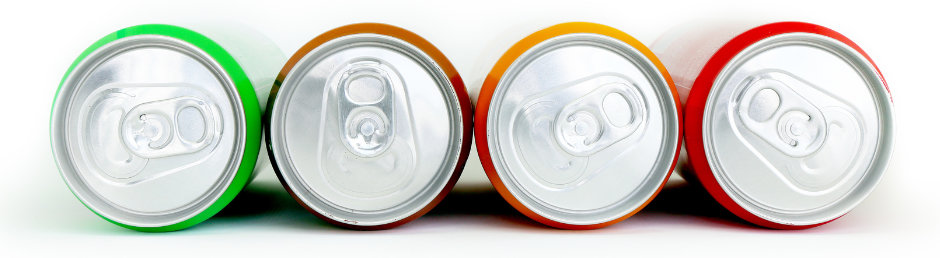
- Sugary foods and drinks, particularly those containing high-fructose corn syrup
Impaired Excretion
The kidneys play a crucial role in regulating uric acid levels by filtering and excreting excess amounts. Reduced kidney function or certain medications can impair this process, leading to uric acid buildup
Fructose: An Increasing Dietary Issue
Fructose stimulates the production of uric acid in the body. Studies have found a clear link between consuming fructose and the levels of uric acid in the blood. High amounts of fructose in the diet may pose a greater concern than foods rich in purines.
The average daily intake of fructose has been steadily rising. In 2024, the average daily intake has increased to 55 grams for adults and 73 grams for adolescents. This represents roughly 13 and 18 teaspoonfuls of fructose-containing processed foods and sugary beverages on a daily basis.
The rise in fructose consumption is concerning as it closely parallels the increase in obesity, diabetes, and nonalcoholic fatty liver disease – a severe metabolic illness that causes too much fat to buildup in the liver and now effecting 20% of Canadians.

How Do We Clear or Lower Uric Acid?
Here are some solutions to combat high uric acid levels:
Eat an alkaline diet. A 2010 NIH study concluded” that alkalization of urine by eating nutritionally well-designed food is effective for removing uric acid from the body.”
Limit alcohol: alcohol, particularly beer, since it high in purines
Eliminate: purine-rich foods, foods with added sugar & fructose or high-fructose corn syrup
Drink: tart cherry and celery juice. They help excretion of uric acid
Consider adding science-backed dietary supplements: Quercetin 500mg daily, Vitamin C 500mg daily and the fruit extract Terminalia bellirica.
In conclusion, uric acid represents more than just a concern for gout sufferers.
Its involvement in various metabolic processes underscores its significance in overall health. By understanding the complex interplay between uric acid and metabolic health, individuals can take proactive steps to optimize their well-being.
Through awareness and proactive management, we can navigate the multifaceted nature of uric acid and its implications for our health and vitality.
Want more tips about holistic health and the latest research? Check out the Holistic Insiders Group. A monthly virtual gathering where you’ll:
- Explore topical health solutions
- Get the latest research on natural health
- Improve your well-being with actionable steps
- Join live and have opportunity to ask RoseMarie questions about the topic

References
https://arthritis.ca/about-arthritis/arthritis-types-(a-z)/types/gout Arthritis Soc. Canada
https://pubmed.ncbi.nlm.nih.gov/29393133/ Uric Acid as a Cause of the Metabolic Syndrome
https://www.ncbi.nlm.nih.gov/books/NBK546606/ Gout, NIH, National Library Medicine
https://www.health.harvard.edu/blog/is-fructose-bad-for-you-200705012507 Is fructose bad for you?
https://www.ncbi.nlm.nih.gov/pmc/articles/PMC10144330/ Association between Dietary Acid Load and Hyperuricemia in Chinese Adults
https://www.healthline.com/health/vitamin-c-gout#vitamin-c-and-uric-acid
https://bmccomplementmedtherapies.biomedcentral.com/articles/10.1186/s12906-020-03071-7Terminalia bellerica in lowering uric acid and creatinine levels in chronic kidney disease subjects with hyperuricemia
Leave a Reply